Delilah's
Journey
Understanding GNAO1, and everything we're doing to help Delilah live the best life possible.
↓ Begin her story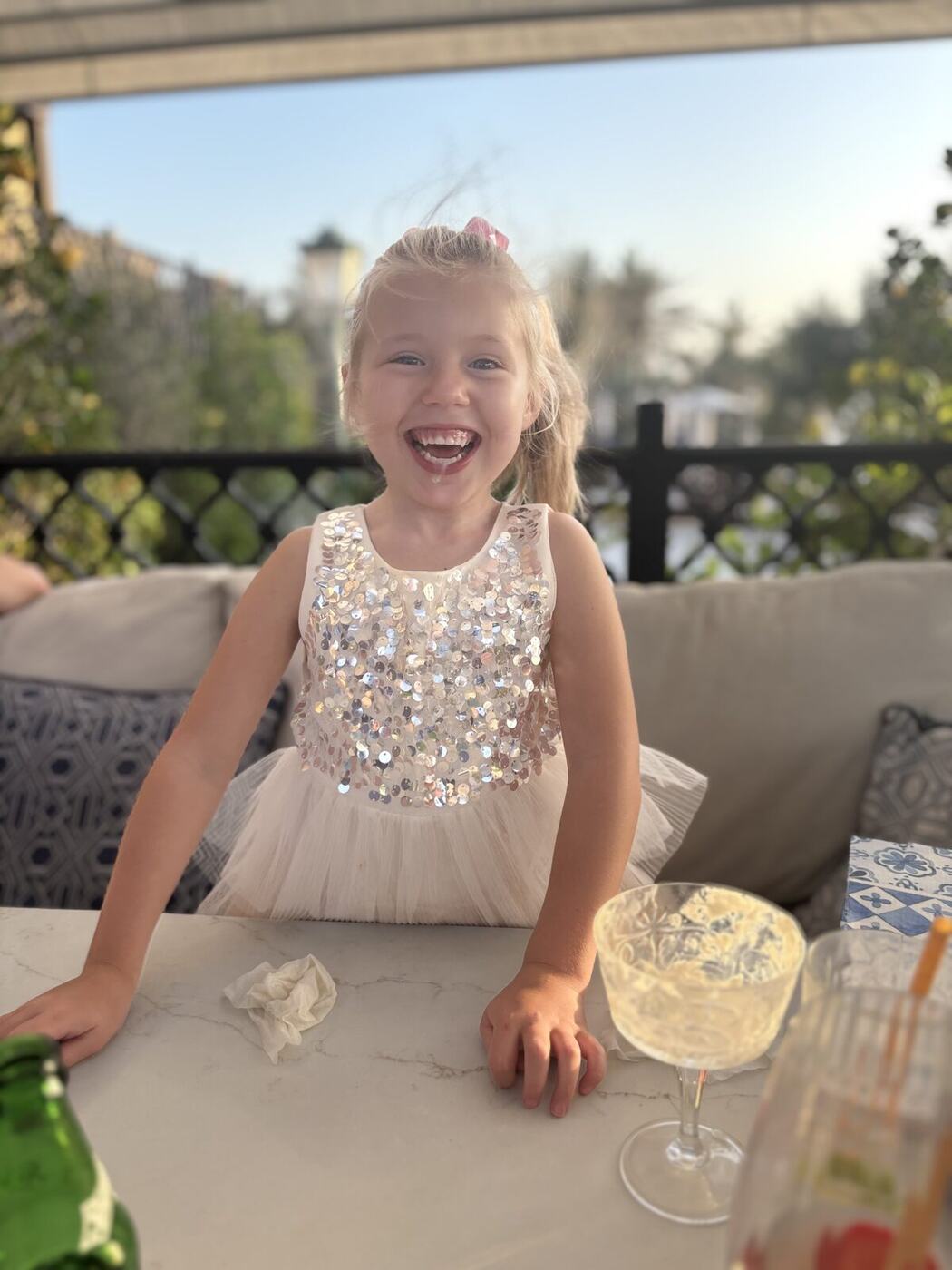
A happy, curious, utterly herself little girl.
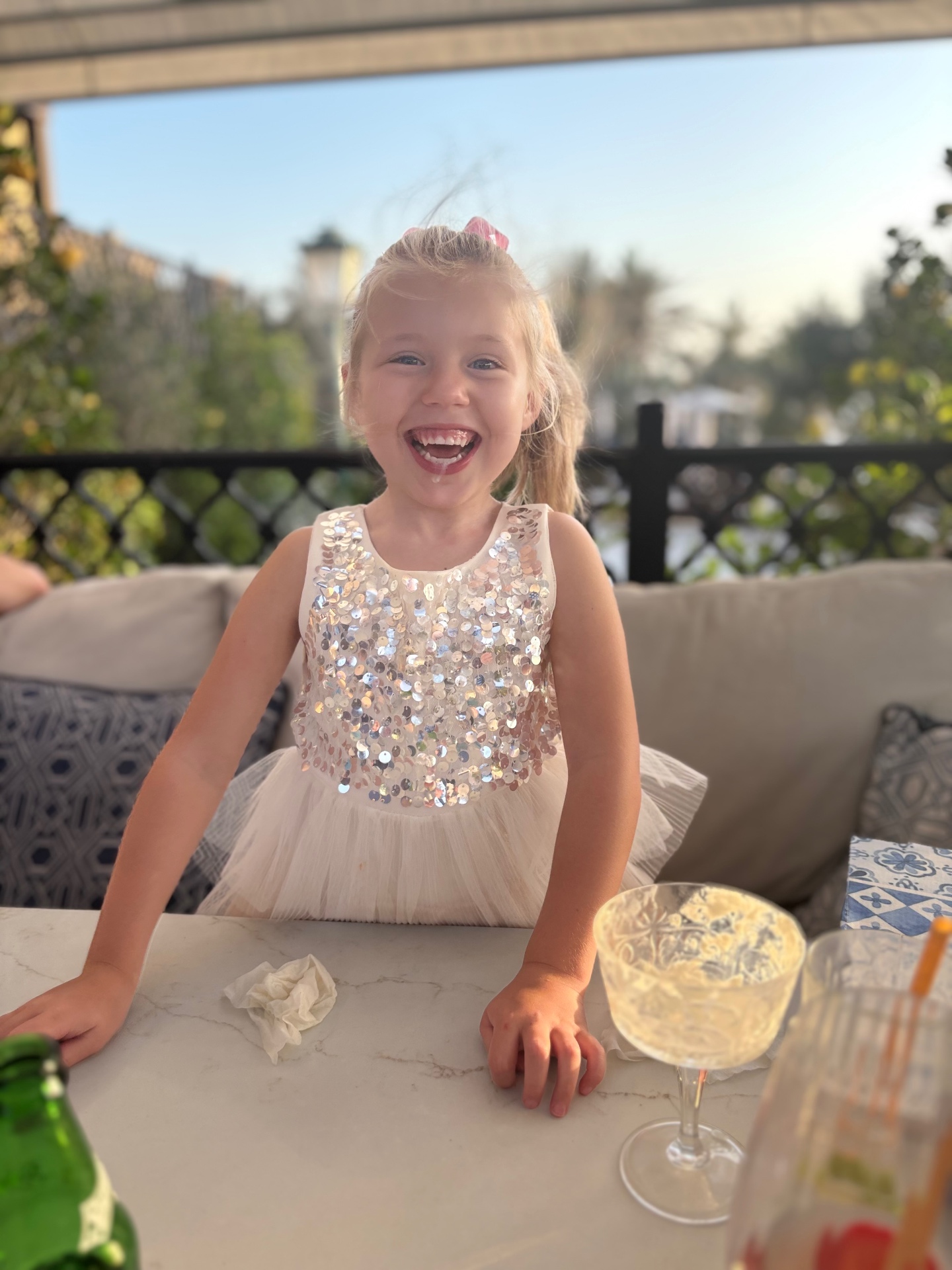
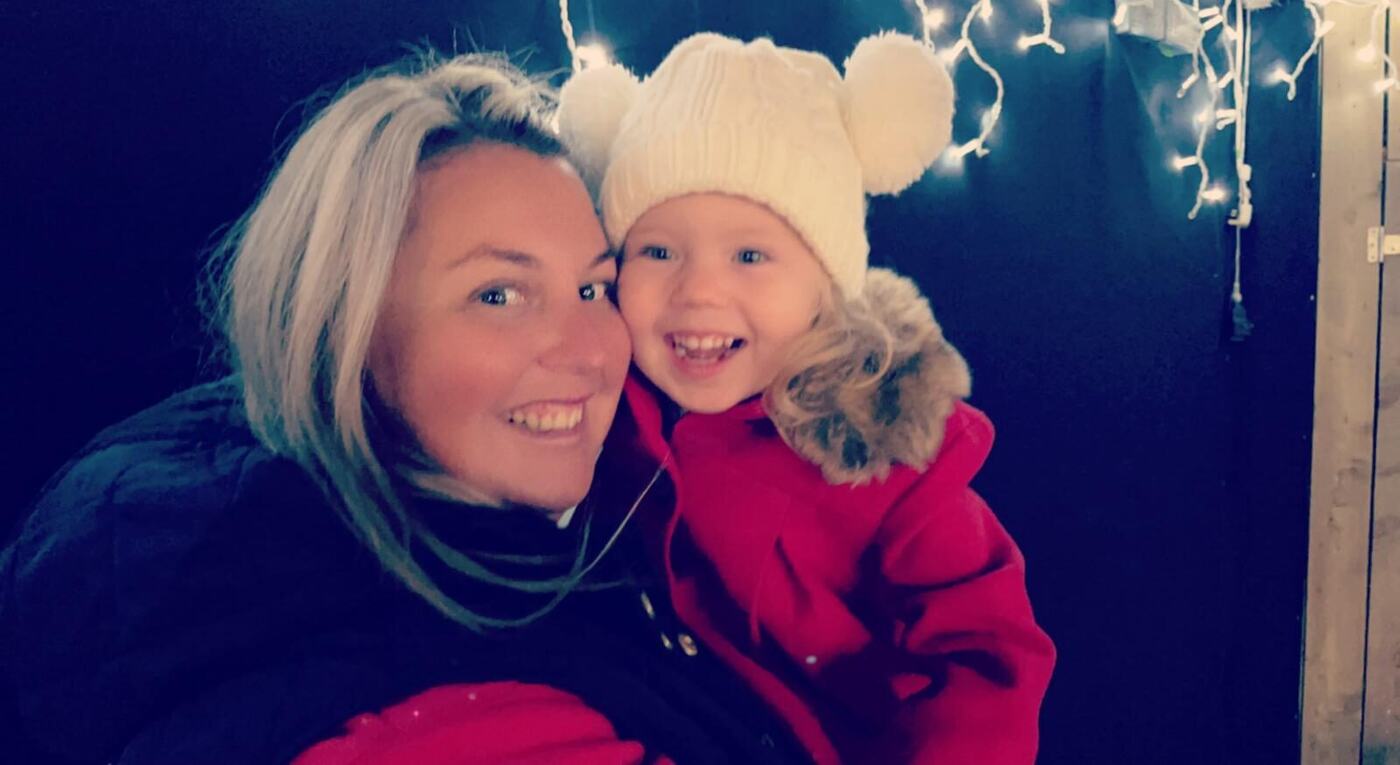
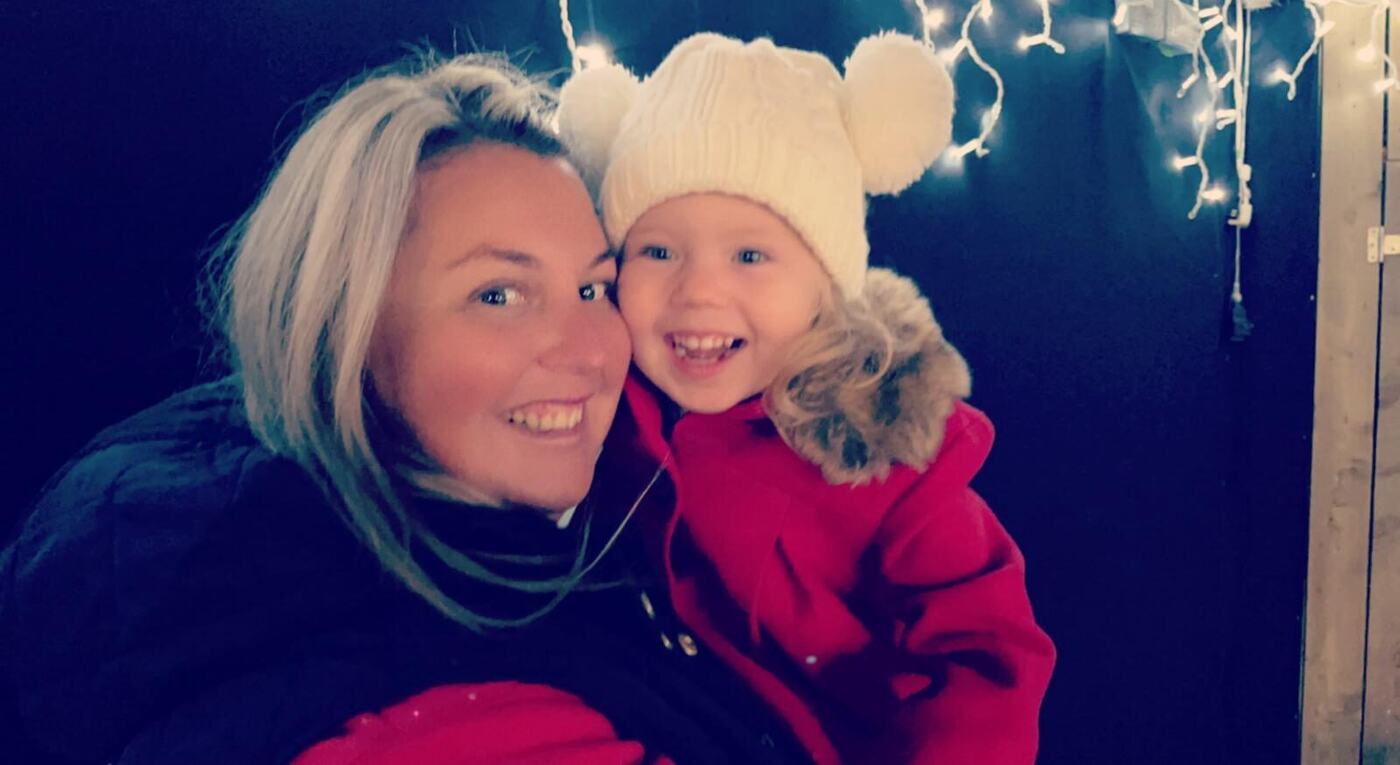
Delilah lights up every room she toddles into. She has her own personality, her own opinions, her own sense of humour — and she rarely stops smiling for long.
She also happens to have a very rare genetic condition involving a gene called GNAO1. After a long time trying to understand some of the challenges Delilah has experienced with her movement and development, we finally have a name for it.
The diagnosis doesn't change who Delilah is. It simply gives us another piece of the puzzle, and helps us understand how to support her in the best way we can.
What is GNAO1? →No complicated words. Just the basics.
Every single one of us has a gene called GNAO1. It carries the instructions for a protein that helps send signals inside the nervous system — think of it as one small wire in a very big switchboard.
DNA
The instruction book inside every cell
GNAO1 gene
One line of those instructions
Brain signalling
How nerve cells "talk" to each other
Movement & growth
How the body moves and develops
In people with a GNAO1-related disorder, a small change — a variant — in this gene means some of those signals work a little differently. This can affect things like movement, muscle tone, development, and communication, and for some people, seizures.
GNAO1 was only connected to human disease in 2013, so the medical world is still learning. These numbers keep growing each year — not because more people are affected, but because more people are being found, diagnosed and connected.
Please don't let the internet scare you.
Searching for a rare condition online can be frightening, because search results tend to focus on the people who are most severely affected. That is not a prediction of Delilah's future — it's simply the nature of the internet.
GNAO1 is a wide spectrum. Different children carry different variants, have different symptoms, and follow completely different developmental journeys. We are not trying to predict what lies ahead for Delilah. Instead, we're focused on a simple approach we come back to again and again:
Understand
Learning what GNAO1 means for Delilah, specifically
Support
Working with the right professionals around her
Encourage
Cheering on every attempt, every try, every giggle
Adapt
Meeting Delilah where she is, not where a chart says she should be
Celebrate
Marking every milestone, in whatever order it arrives
She is running her own race.
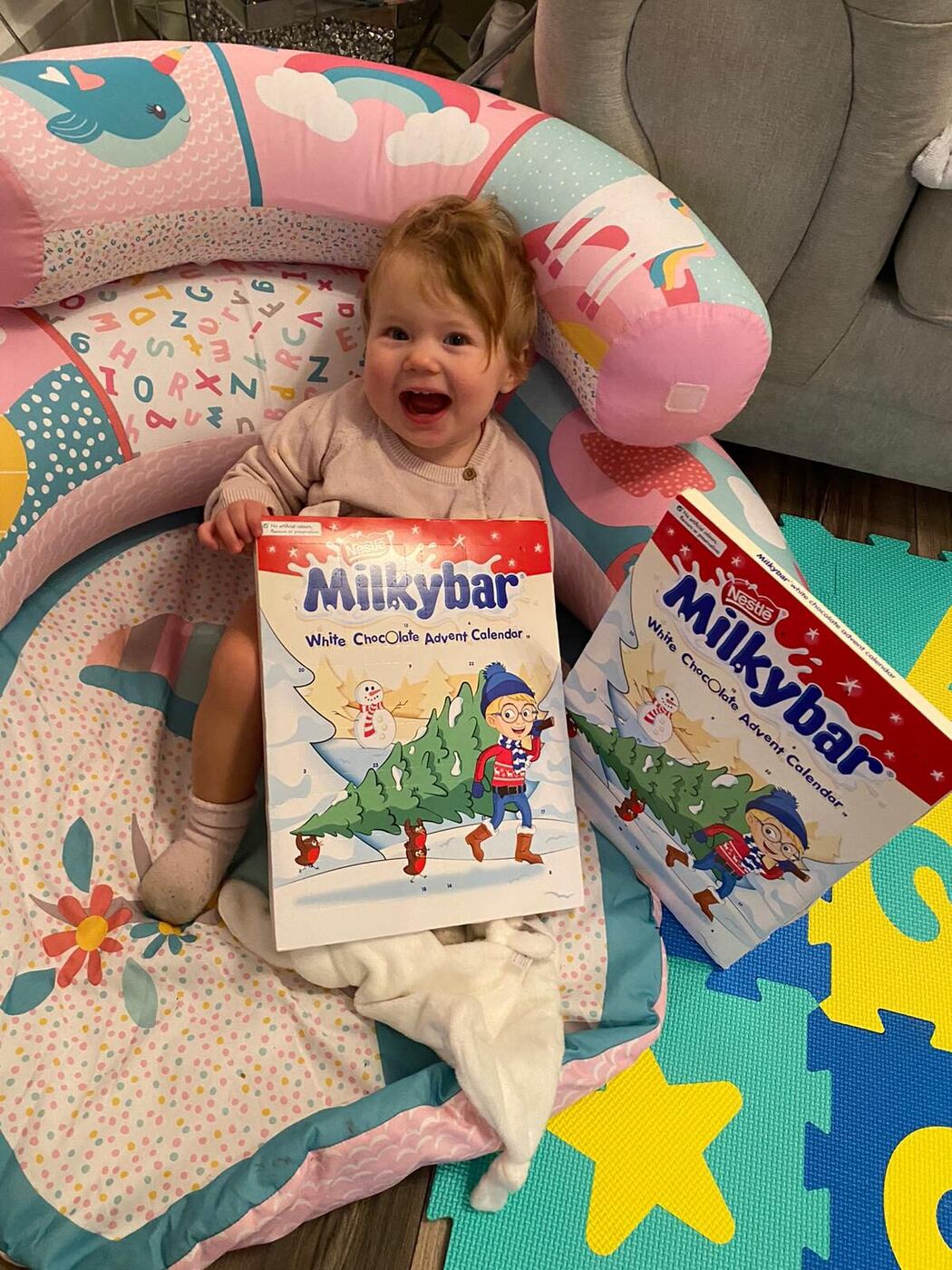
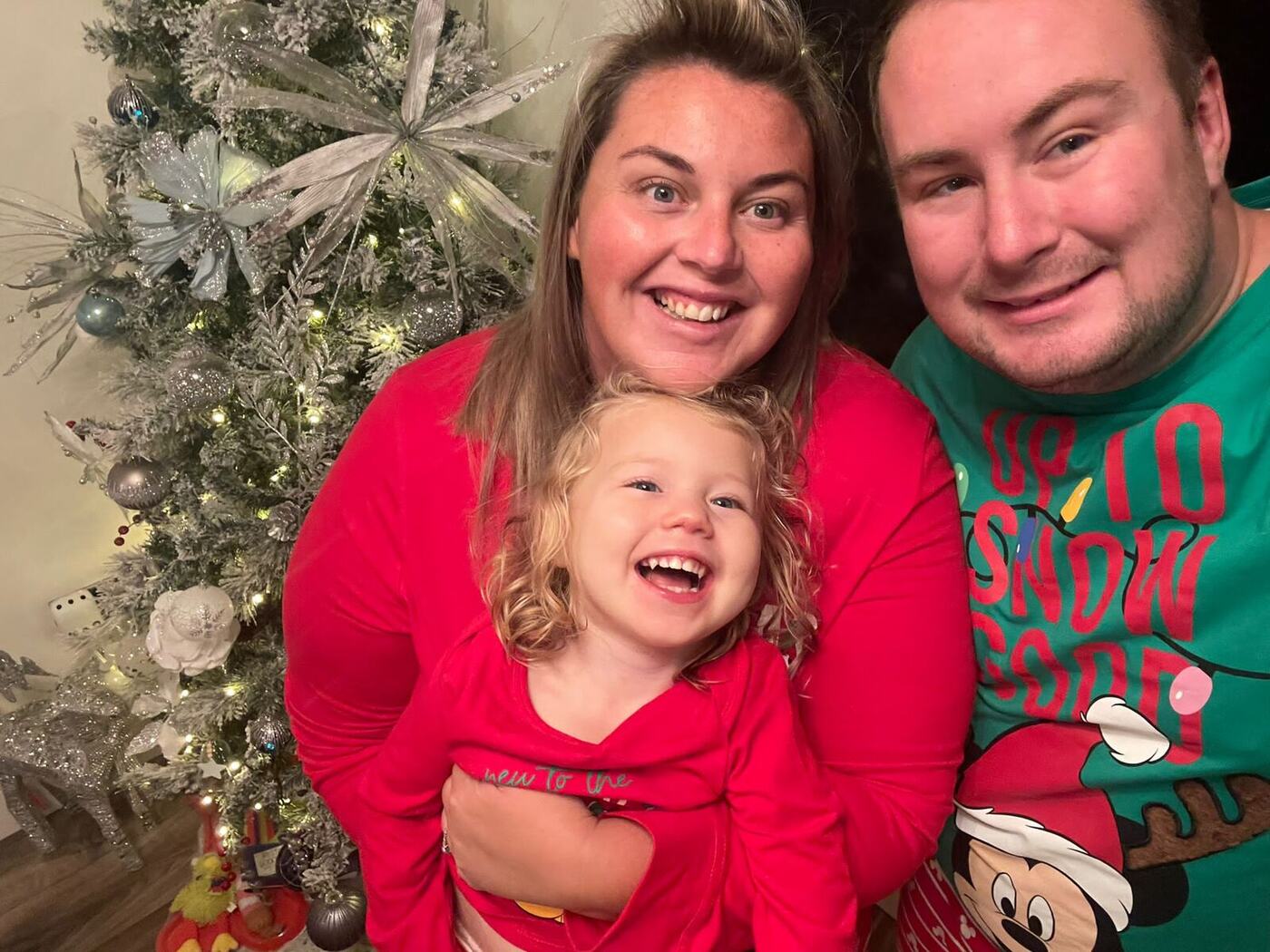
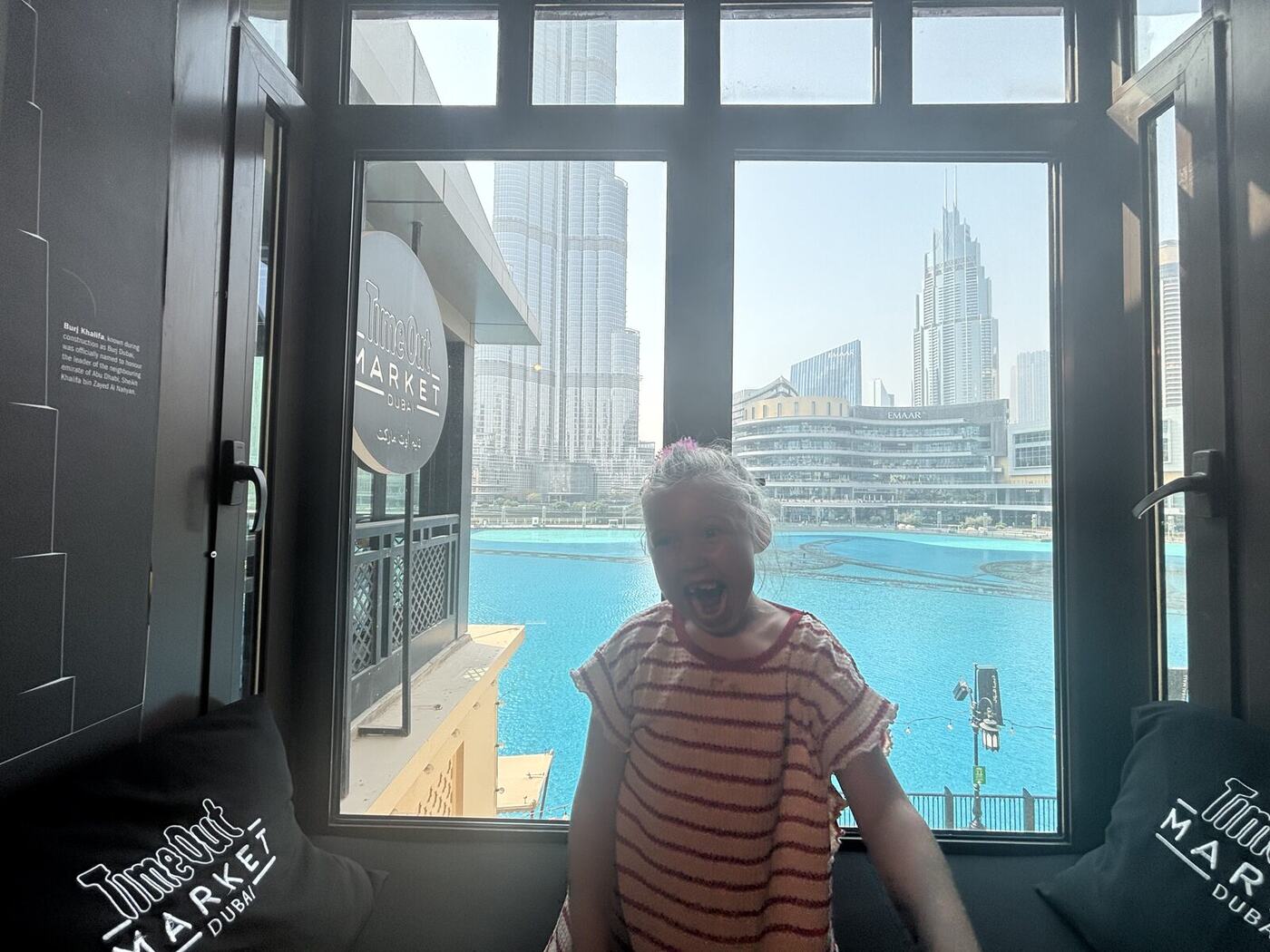
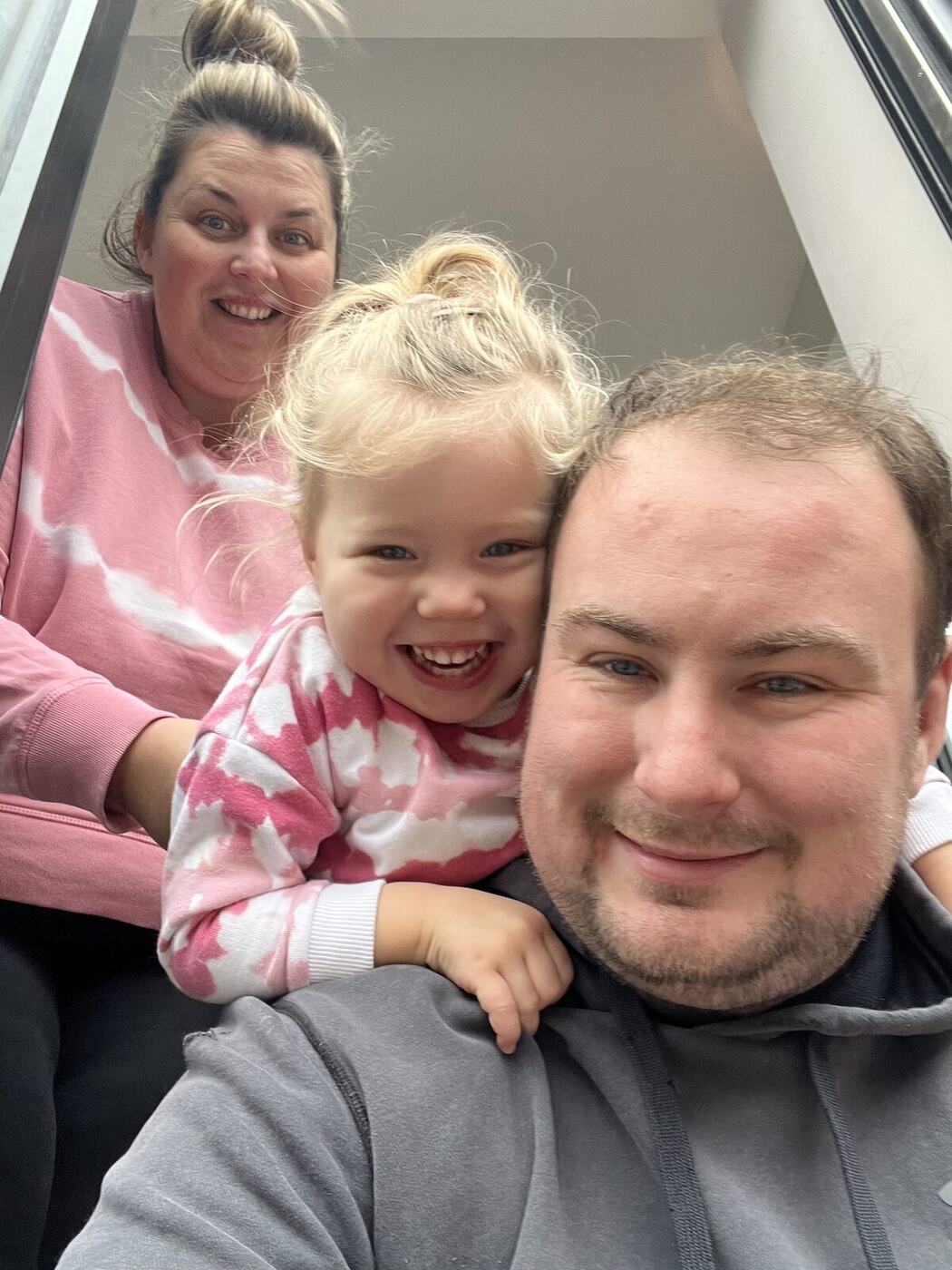
This page is a living scrapbook, not a comparison chart. We're not measuring Delilah against milestone charts or other children — we're here to notice, celebrate, and remember her own progress, on her own timeline. New moments will be added here for years to come.
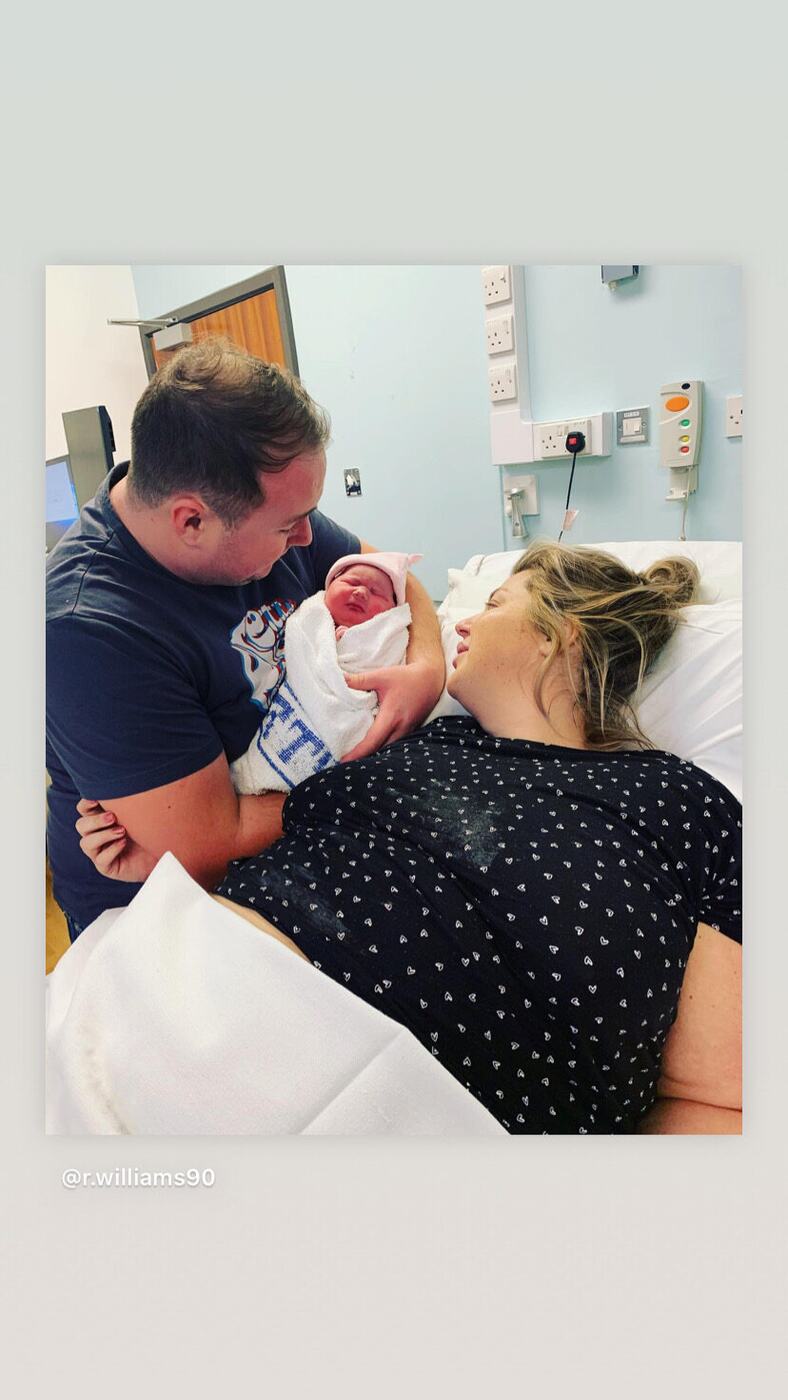
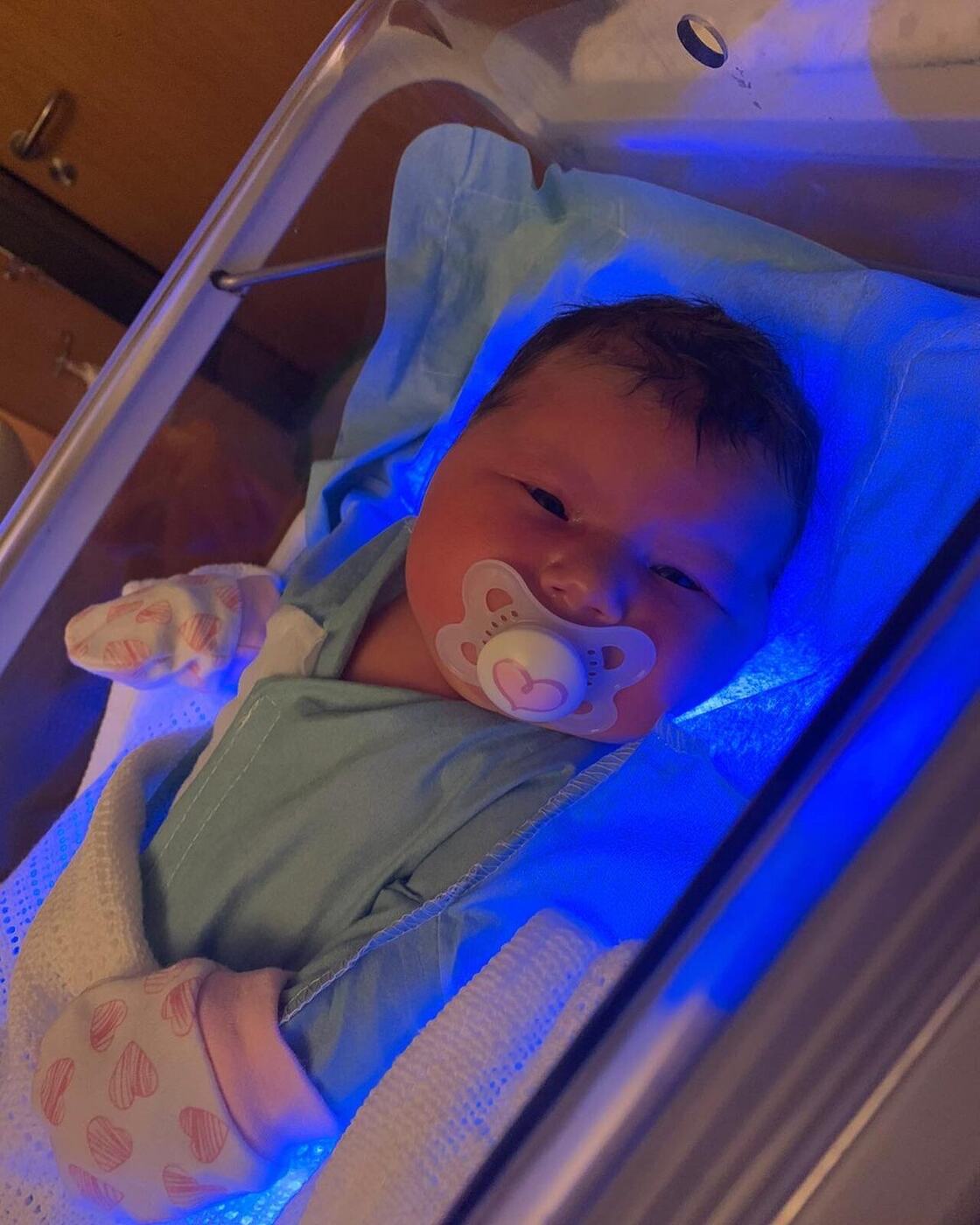
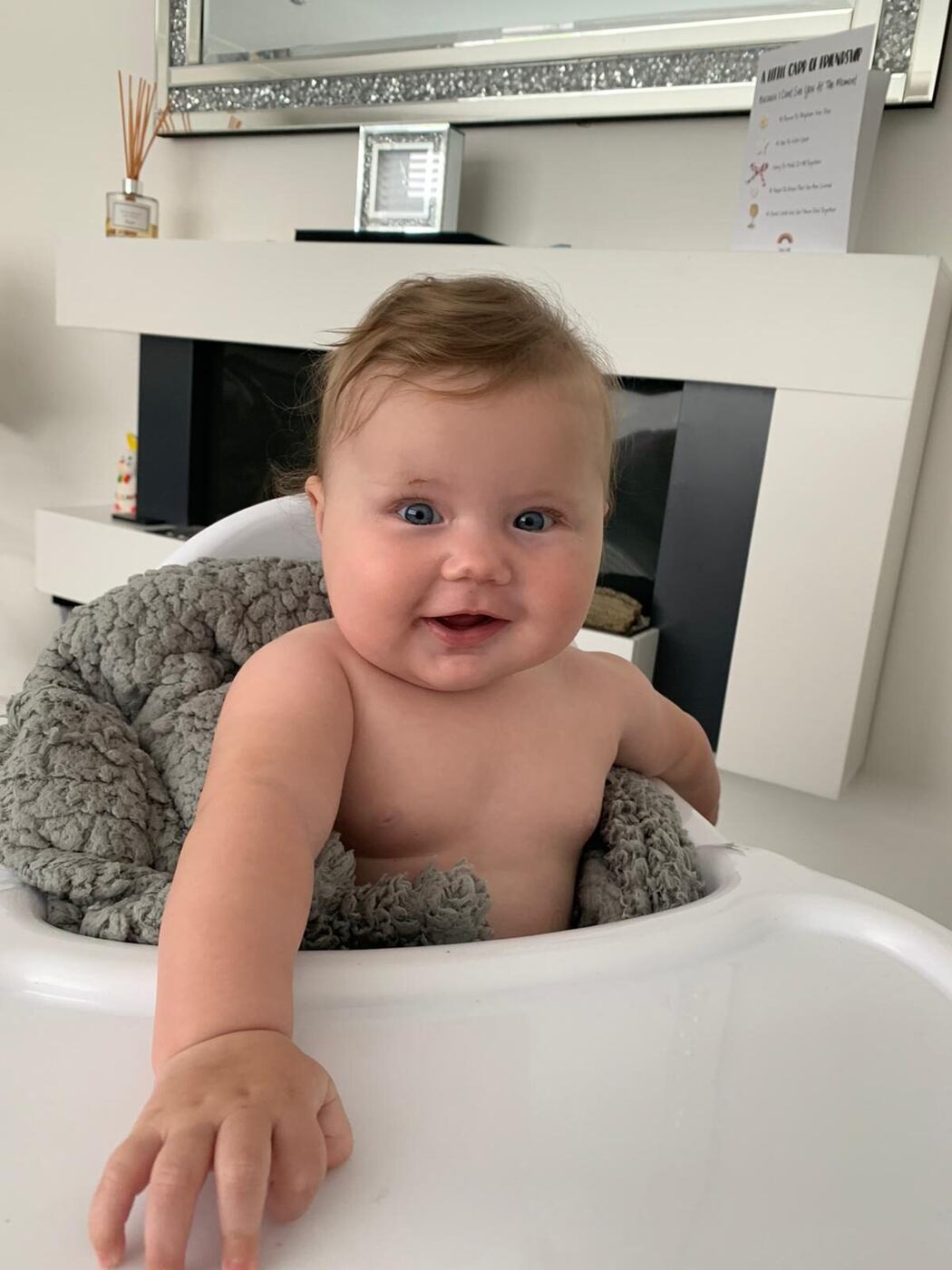
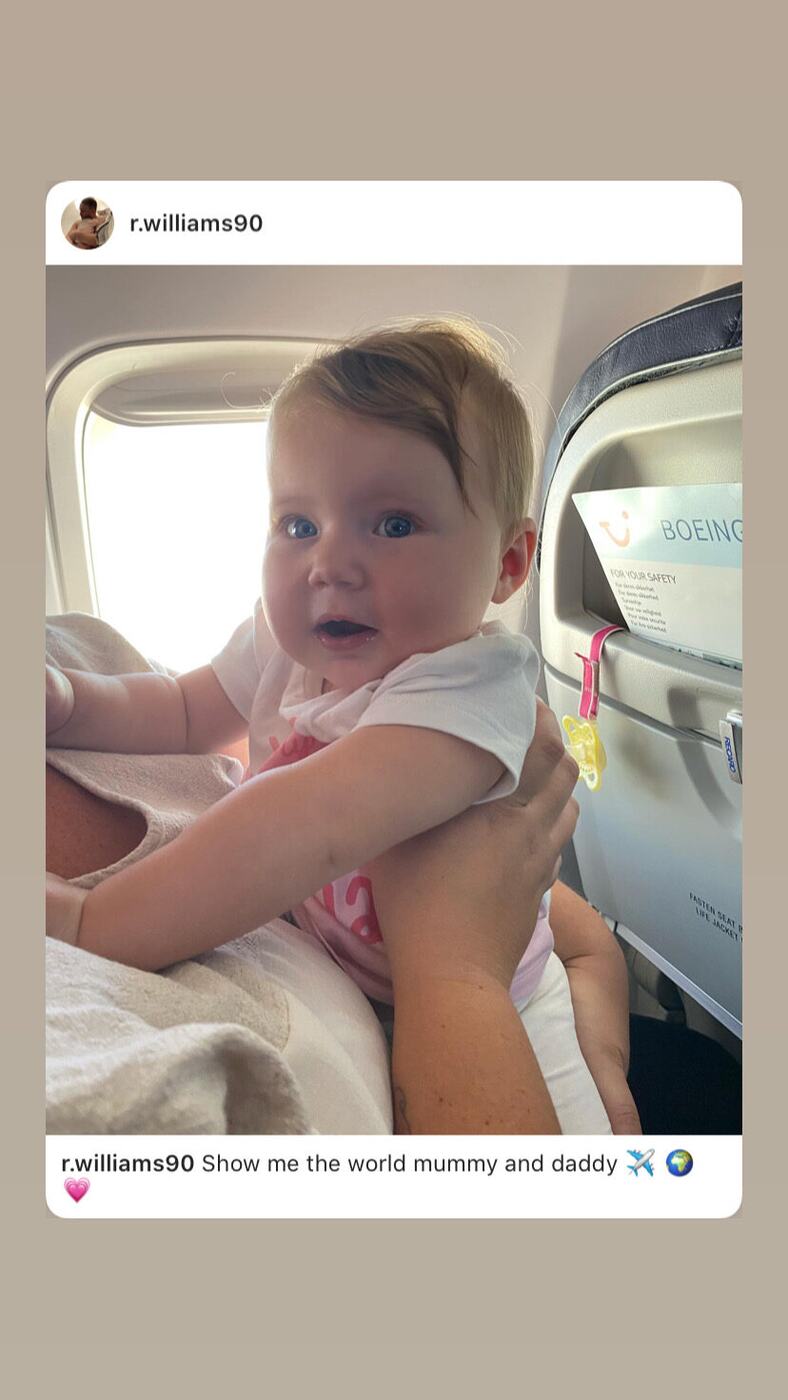
Our goal isn't to limit Delilah.
It's to give her every opportunity we possibly can. That means a small circle of people and support around her — not to fix her, but to help her reach her own potential in her own way.
Neurology
Understanding & monitoring her development
Physiotherapy
Movement, strength & balance
Speech & Language
Communication in whatever form works for her
Occupational Therapy
Independence & everyday skills
Education
Support alongside real challenge
Technology
Open to tools that could help her
GNAO1 Research
Following the science as it grows
Family
Love, encouragement & opportunity
Neurology
Understanding & monitoring her development
Physiotherapy
Movement, strength & balance
Speech & Language
Communication in whatever form works for her
Occupational Therapy
Independence & everyday skills
Education
Support alongside real challenge
Technology
Open to tools that could help her
GNAO1 Research
Following the science as it grows
Family
Love, encouragement & opportunity
You don't need to become a GNAO1 expert.
The most important thing anyone can do for Delilah is keep treating her exactly like Delilah. Here's what that looks like, day to day:
Include her in everything, always
Talk directly to her, not just about her
Give her time to respond in her own way
Celebrate her achievements, big and small
Encourage her independence
Be patient when something takes a little longer
Help her experience new things
Never assume she can't do something
Ask us questions — we'd always rather you ask
Show up, again and again
Rare, but never alone.
Because GNAO1 is so rare, connecting families, clinicians and researchers around the world matters enormously. That's exactly what The Bow Foundation was built to do.
The Bow Foundation
Founded in 2017 by two families of children with GNAO1, the Bow Foundation supports the global GNAO1 community through research funding, an international patient registry, a natural history study, and an annual family conference that brings researchers and families together from around the world.
This is only the beginning of Delilah's story.
We don't know exactly what Delilah's future will look like. Nobody does. What we do know is that she will grow up surrounded by people who love her, advocate for her, and believe in her.
We will keep learning. We will keep searching for opportunities. We will celebrate every milestone, whenever it arrives — and above everything else, we will make sure Delilah has a lifetime filled with love, laughter, adventures and memories.
It doesn't define her.
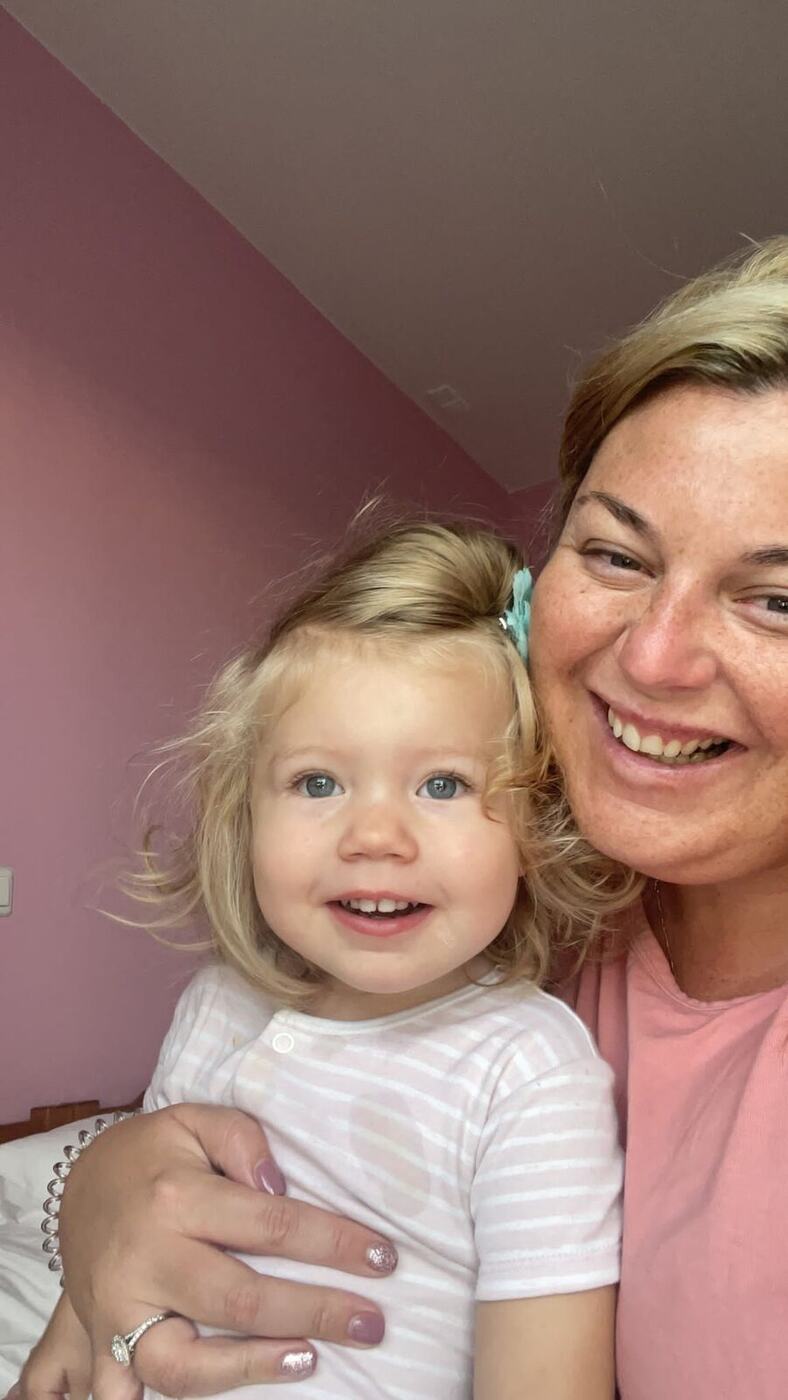
Delilah lately
The latest photos and videos of Delilah, shared by her mum and dad.